
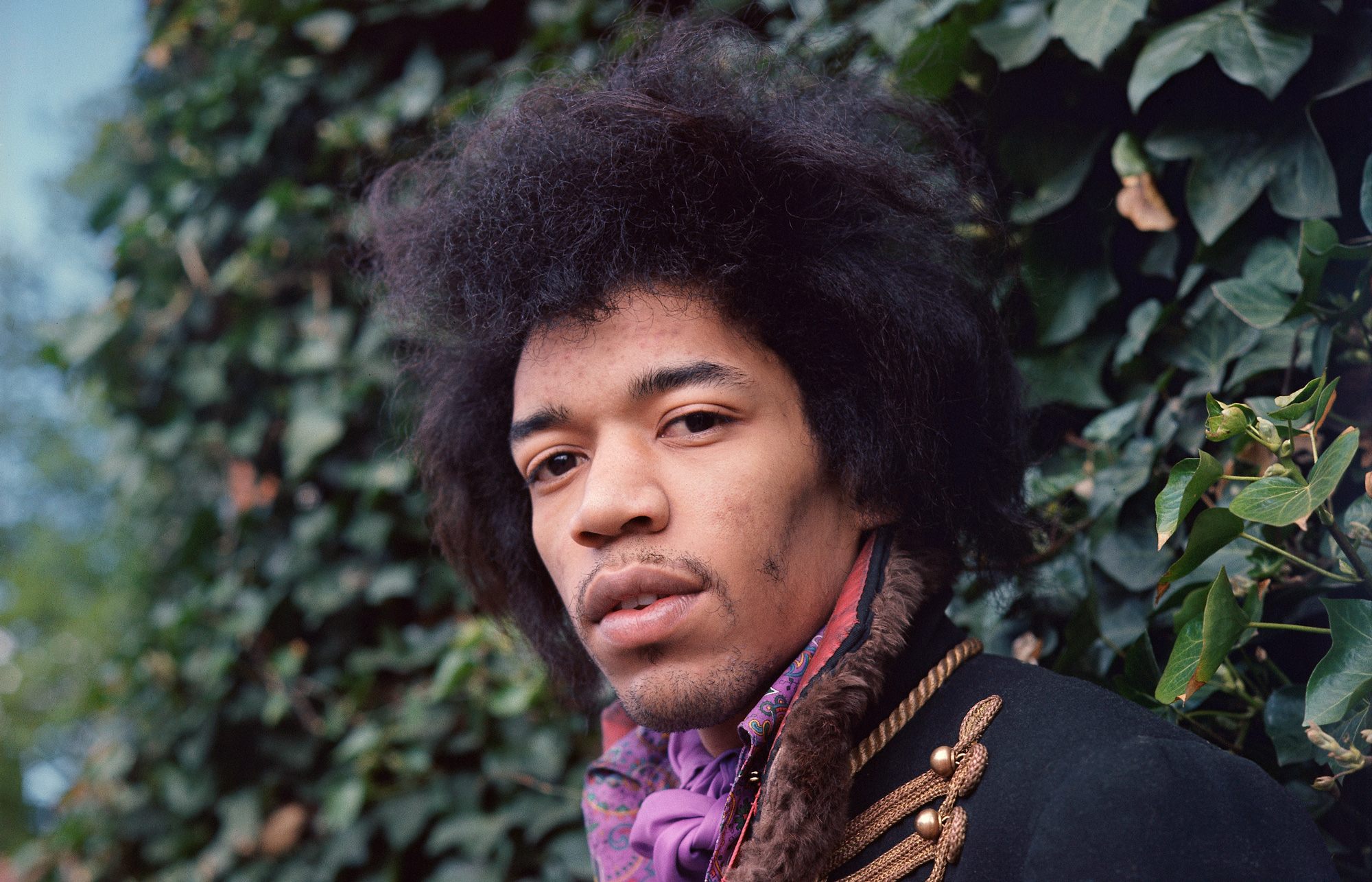
A little Indian brave who before he was ten
Played war games in the woods with his Indian friends
And he built a dream that when he grew up
He would be a fearless warrior, Indian Chief
Many moons passed, and more the dream grew strong
Until tomorrow he would sing his first war song
And fight his first battle
But something went wrong
Surprise attack killed him in his sleep that night
Imagine being this boy – devoting your entire life to becoming a warrior and chief. And hours before the culminating moment, being killed.
In light of this…
What did his life mean?
Was his dream worth it?
Did he live a good life?
Was he happy?
What else mattered to him?
We can’t know this boy’s life. We can only glean from what Jimi revealed, and reconcile it with the central refrain:
And so castles made of sand, fall into the sea, eventually.
Everything we know will cease to exist. Loved ones, friends, possessions, health, and dreams – whether they are fulfilled or not. All castles made of sand.

Put another way, everything dies, or more accurately, already dying…
There are at least two strategies in confronting this truth. One is ignore it. After all, why worry about death until it’s time? Second is to reconcile now, as palliative care physician BJ Miller suggests:
“Don’t wait to realize you’re mortal. Invite the truth of death into your life earlier, and you’ll receive its lessons. We can learn to live well, not in spite of death, but because of it.”
Invite Death, Receive Lessons
BJ has good reason to suggest this – observing hundreds of patients experience profound relief in their final moments. Living is the hard part, as he says. And BJ isn’t alone. Contemplation of death is explicitly practiced in many branches of Buddhism.
But why? What good comes from this?
If we embrace the inevitability of death, for us and everything we know, we might cherish all we have right now. Take stock. Today might be the last time you talk to someone you care about. Today might be the last time you are this healthy, able to use your legs and run outside. Today might be the last opportunity to forgive someone, and move on. Consider right now, many of your “last times” – talking to a certain someone – doing a certain activity you love – already happened – you just don’t know it yet.
Further, time is precious. How are we spending it? Where is it all going?
Returning to the little boy, where did he even learn the fantasy of violence and war? How did it become so glorified? Is this dream in service of protecting his community, or, is he merely infatuated with status and domination? If the latter, would it ever truly satisfy him? Further, what other experiences or meaning did this dream cost him?
When we look closely, our lives are made of narratives – the story we tell about ourselves, our dreams, the groups we belong to, the people who wronged us, the things we deserve and haven’t gotten yet, the idea of how great our life will be … when everything finally gets “better”.
Yet… our stories often aren’t true or realistic. And “better” always seems elusive, forever in the future, despite often getting what we want.
In the case of the boy, although the story motivated his life direction, it ended abruptly before it ever came to fruition. Was the story worthwhile, then?
Reflection
When we examine our lives closely, we invariably find narratives and desires. We might then find some of these stories aren’t substantive, or, some of these desires can’t possibly fulfill us the way we always assumed.
Second – death is the ultimate yardstick to measure by. We can imagine being on our proverbial deathbed. How much will these stories matter when that day comes? How might we have shaped those stories differently, in hindsight?
These two aspects of human life – impermanence, and, the insight that so much of human behavior is powered by narrative – are powerful prompts for reflection, and the ones at the crux of Jimi Hendrix’s poetry.
Leave a Reply